
INFORMATIONAL
May 23, 2025
Disability Rights Are on the Chopping Block with Medicaid Cuts
As Congress once again considers cutting Medicaid funding, we are confronted with a stark question: What kind of nation do we want to be? One that turns its back on the people with chronic health conditions, older adults, people with disabilities, and low-income families — or one that upholds health care as a basic human right?
Medicaid isn’t just a line item on a federal spreadsheet; it’s a lifeline for more than 76 million Americans, including children, people with disabilities, pregnant women, and people in nursing facilities. Yet some lawmakers are pushing proposals that would gut this essential program — shifting costs to the states, reducing eligibility, or implementing caps that would limit care over time.
Let’s be clear: these cuts are not about efficiency or reform. They are about ideology — the belief that government should do less, even when it means more people suffer.
The Human Cost — Especially for People with Disabilities
Among those who will be hit hardest by these cuts are people with disabilities. More than 10 million children and adults with disabilities rely on Medicaid for services they can’t get anywhere else — services that go far beyond what most private insurance plans offer.
Medicaid pays for in-home aides, speech therapy, occupational and physical therapy, transportation to medical appointments, assistive devices like wheelchairs, and care that allows people to live independently in their communities. For many, it’s the difference between living in their own home with support or being forced into an institution.
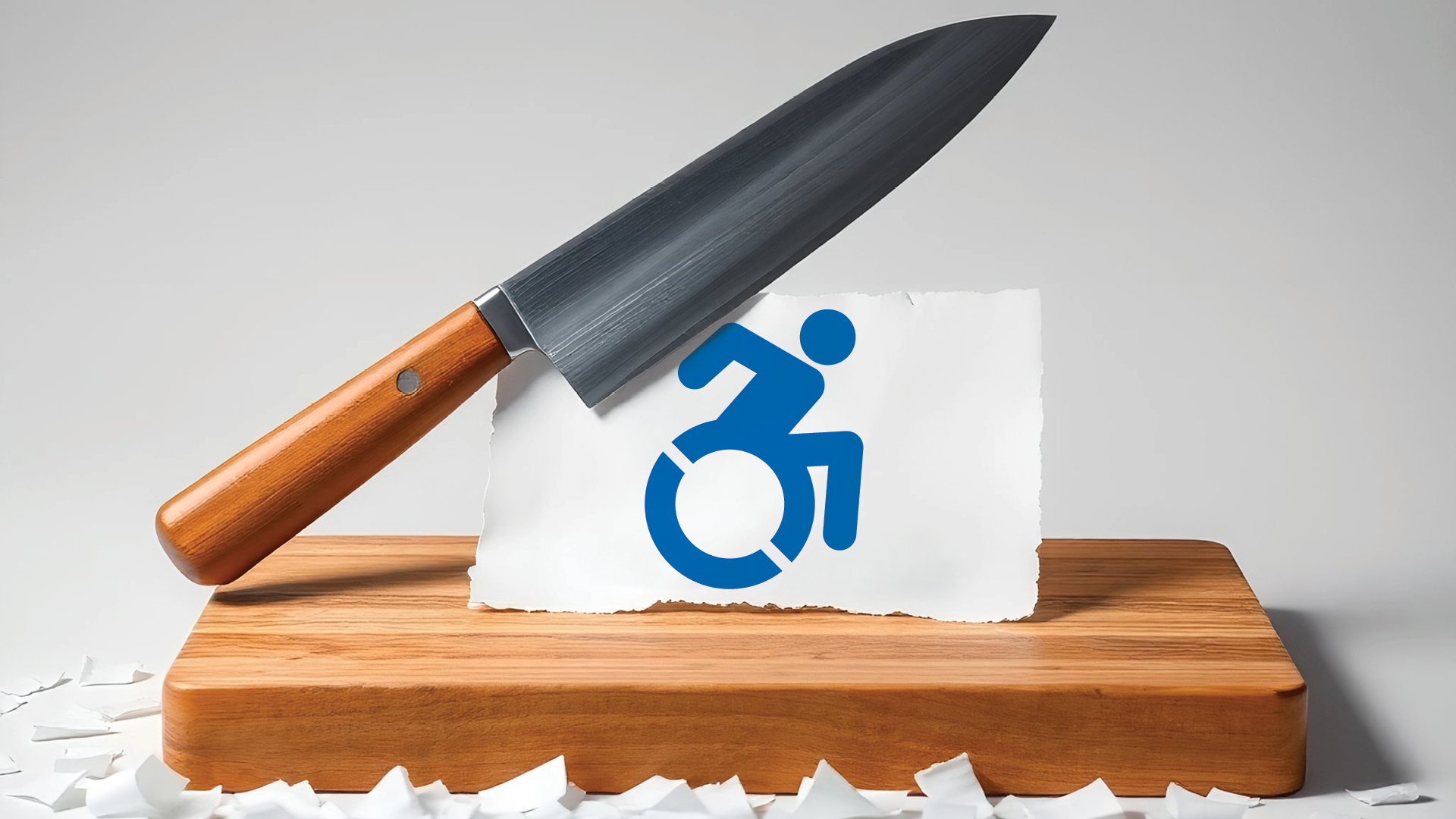
Cuts to Medicaid would place these essential services on the chopping block. Waiting lists — already long in many states — would grow even longer. Some individuals may lose services altogether. Families, often already strained emotionally and financially, would have to shoulder even more unpaid caregiving responsibilities.
Imagine a child with cerebral palsy losing access to a therapist who helps them walk. Imagine a young adult with autism losing the job coach who helps them stay employed and integrated in their community. Imagine a parent being forced to quit their job because their child with a disability no longer qualifies for in-home nursing care.
This isn’t speculative. It’s the real, lived reality for millions of Americans — and it’s about to get much worse if these proposed cuts go through.
False Economies
Proponents of cuts claim it’s about reducing government spending. But slashing Medicaid is penny-wise and pound-foolish. Preventative care saves money in the long run. When people lose access to Medicaid, they delay treatment, end up in emergency rooms, and rack up higher costs — which taxpayers ultimately pay for.
Moreover, Medicaid is an economic engine. It supports millions of health care jobs and sustains hospitals, clinics, and direct support professionals across the country. Reducing the program’s scope would create a ripple effect that weakens not just individual lives, but our entire care infrastructure — especially for those who are already most vulnerable.
A Question of Values
We’re told that America is the wealthiest nation on Earth. If that’s true, we should act like it. No one should have to choose between paying rent and filling a prescription. No child should suffer because their parents can’t afford a doctor’s visit. No senior or person with a disability should be warehoused in an institution because their Medicaid support was slashed.
The proposed Medicaid cuts are more than a policy debate — they are a moral failure in the making. Lawmakers who support these measures must be held accountable, because what they’re doing isn’t just fiscally irresponsible — it’s fundamentally inhumane.
Let’s send a message to Congress: A responsible budget shouldn’t come at the expense of people with disabilities, low-income individuals, or those facing serious health challenges. Protect Medicaid. Protect people.
Kelly L PeLong