

INFORMATIONAL
March 02, 2026
Women’s History Month
Lois Curtis
Lois Curtis (1967–2022) was a disability rights activist and self-taught artist whose life transformed U.S. disability policy. Institutionalized in Georgia from age 11 to 29 despite being able to live in the community, Curtis became the lead plaintiff in Olmstead v. L.C., the landmark Supreme Court case ruling unnecessary institutionalization unconstitutional under the Americans with Disabilities Act. Her advocacy helped enable hundreds of thousands of people with developmental disabilities to move into community-based living with necessary supports. After gaining independence, Curtis lived in her own apartment and worked as a professional artist, exhibiting throughout Georgia and expressing her commitment to autonomy, connection, and everyday joy.
Judy Heumann
Known as the “Mother of the Disability Rights Movement,” Judy Heumann became a wheelchair user after contracting polio as a child. She helped lead a 26-day sit-in protest in 1977, leading to the government finally enforcing a federal law to prohibit discrimination against people with disabilities. She also played a key role in the passage of the ADA. In 2020 she told The Daily Show host Trevor Noah, “One of the big issues is that people with disabilities need to feel proud of who we are.”
Johnnie Lacy
Johnnie Lacy became paralyzed at age 19 after contracting polio. She co-founded the Berkeley Center for Independent Living in 1981 and went on to serve as the director of the Community Resources for Independent Living. Lacy fought for freedom at the intersection of disability and racial justice. At a time when disability advocacy was seen as a “predominantly white, middle-class movement,” she acted as a “go-between” to connect the Black and disability communities.
Alice Wong
Chinese American disability activist Alice Wong was born with spinal muscular atrophy and used a wheelchair and a ventilator. She founded the Disability Visibility Project in 2013. In 2024, when Wong was selected as a MacArthur Foundation Fellow, she said, “I want to change the way people think about disability from something one-dimensional and negative to something more complex and nuanced.”
Lydia X. Z. Brown
Lydia X. Z. Brown is an autistic attorney, advocate, and writer working at the intersections of disability, race, and gender justice. Through activism, teaching, and policy reform, they fight systemic ableism and promote disability culture and inclusion in technology, education, and law—centering people most impacted by structural inequity.
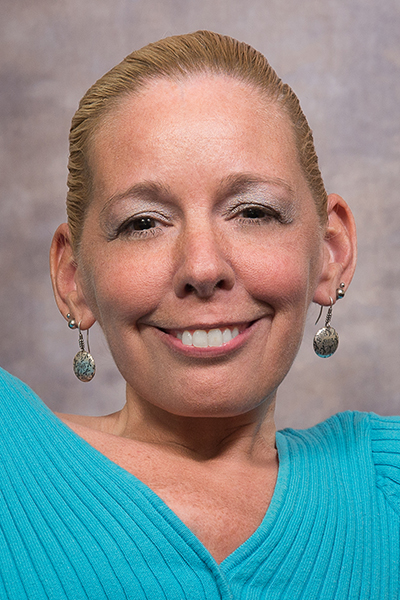
A message from Kelly PeLong, Disability Network Mid-Michigan, Executive Director